
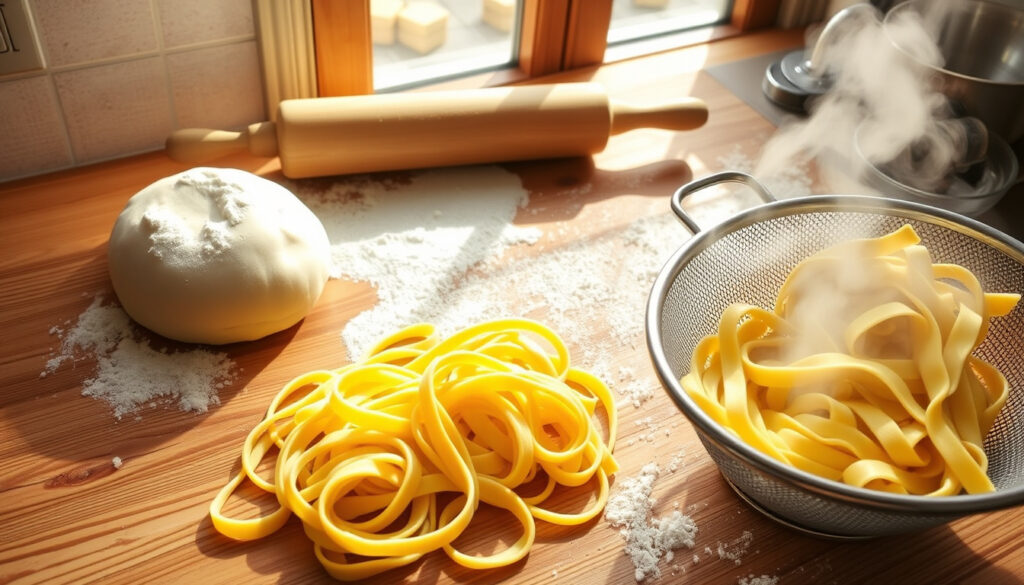
Pasta has remained a cornerstone of countless cuisines worldwide for generations. While store-bought varieties offer convenience, making pasta from scratch requires only two primary ingredients—flour and eggs—along with basic kitchen tools and patience. The process rewards home cooks with a noticeably silkier texture and fresher flavor compared to dried alternatives.
Crafting homemade pasta involves combining ingredients into a smooth dough, resting it to relax the gluten, rolling it thin, and cutting it into desired shapes. The technique adapts easily to kitchens without specialized equipment, using a rolling pin and sharp knife to achieve professional results. Whether prepared as a weeknight dinner or weekend project, fresh pasta transforms an ordinary meal into something memorable.
How to Make Fresh Pasta Dough
Creating pasta dough from scratch begins with selecting the right flour and understanding how eggs contribute structure and elasticity. Most home cooks start with all-purpose flour, though Italian-style “00” flour produces a noticeably finer texture. The classic ratio involves approximately two cups of flour paired with three large eggs, yielding enough dough for four servings of pasta.
30-60 min
Beginner
4
~300/serving
Key insights for successful pasta dough:
- Always use a clean, flat surface for mixing and kneading to ensure consistent dough texture
- Add flour gradually—starting with less prevents the dough from becoming too stiff
- Knead for at least five minutes using the heel of your hand until the dough springs back when poked
- Allow the dough to rest covered for 10-30 minutes to let gluten fully hydrate
- Roll and cut one portion at a time, keeping unused dough covered to prevent drying
- Dust cut noodles with semolina flour to prevent sticking during storage
- Fresh pasta cooks in only one to three minutes—much faster than dried varieties
| Parameter | Recommendation |
|---|---|
| Flour quantity | 2 cups (250-300g) all-purpose or “00” flour |
| Eggs | 3 large eggs (~150g total) |
| Olive oil | 1 tbsp (optional, for suppleness) |
| Salt | ½-1 tsp incorporated into dough |
| Kneading time | 5-10 minutes by hand |
| Resting time | 10-30 minutes at room temperature |
| Rolling thickness | Thin enough to see hand beneath |
| Storage (refrigerated) | Up to 2 days dusted in flour |
| Storage (frozen) | Up to 2 months on tray then bagged |
| Cooking time | 1-3 minutes after water returns to boil |
Understanding Flour Types
All-purpose flour serves as the most accessible option for homemade pasta, producing reliable results with standard supermarket ingredients. Italian “00” flour undergoes finer grinding, creating a silkier dough that rolls into translucent sheets more easily. Some cooks add a tablespoon of semolina flour to strengthen the dough structure and prevent sticking during cooking.
The protein content in flour directly affects gluten development. Higher protein flours create stronger networks that hold pasta together during cooking, while lower protein varieties produce more tender results. “00” flour typically contains around 10-12% protein compared to 10-11% in standard all-purpose flour.
Making Pasta Without Eggs
Vegans and those with egg allergies can substitute eggs with water, olive oil, or aquafaba—the liquid from canned chickpeas. The general ratio involves approximately three-quarters to one cup of liquid replacing three eggs. Vegan dough tends to require additional kneading time since water creates a drier mixture than eggs. Adding oil and salt helps compensate for flavor lost without egg yolks.
How Long Does It Take to Boil Pasta and What’s the Right Technique?
Boiling pasta properly requires attention to water volume, salt quantity, and timing. Using insufficient water dilutes starches released during cooking, causing noodles to stick together and cook unevenly. Most recipes recommend four to six quarts of water per pound of pasta to ensure adequate space for movement and heat circulation.
Water and Salt Measurements
The pasta water should taste noticeably salty—comparable to seawater—though exact measurements vary by preference. Generally, one to two tablespoons of salt per gallon of water provides sufficient seasoning without overwhelming the pasta itself. Salt added during boiling seasons the noodles internally and helps maintain structure during cooking.
Salt raises the boiling point of water slightly and strengthens the starch granules, allowing pasta to cook more evenly. This seasoning also gets absorbed into the pasta, enhancing its flavor profile throughout the dish rather than just on the surface.
To Cover or Not to Cover
Keeping the pot uncovered while bringing water to a boil saves time and energy, allowing steam to escape freely. Once pasta is added, covering the pot briefly helps the water return to boiling faster, but the lid should be removed for active cooking. This prevents the pot from boiling over while still allowing observation of the pasta’s progress.
How Do You Cook Pasta Al Dente?
The term al dente translates from Italian as “to the tooth,” describing pasta that offers firm resistance when bitten without any chalky core remaining. Achieving this texture requires testing slightly before the package-recommended time since cooking conditions vary by pot size, heat level, and pasta shape.
How Do You Know When Pasta Is Done?
Fresh pasta signals doneness within one to three minutes after the water returns to a rolling boil, while dried pasta typically requires eight to twelve minutes. The noodle should bend without snapping and feel tender but still resistant at the center. For spaghetti and similar shapes, wrapping a strand around a fork provides a simple test—properly cooked pasta holds its shape without collapsing.
Should You Rinse Pasta After Cooking?
Rinsing cooked pasta removes starch from the surface, which would otherwise help sauces cling and emulsify. Unless preparing pasta for cold salads, keeping that starchy coating intact produces better sauce adhesion and overall flavor integration. Instead, reserve a cup of pasta cooking water before draining—the starchy liquid helps thin sauces while adding body.
Overboiling breaks down the gluten structure, converting firm pasta into mushy starch paste. Crowding the pot with too much pasta lowers water temperature and causes uneven cooking. Ignoring the float test and skipping taste tests throughout cooking frequently results in pasta that turns soft and gummy once sauced.
The Fresh Pasta Making Process: Step by Step
- Create a well with two cups of flour on a clean surface and crack three eggs into the center
- Whisk the eggs gradually, incorporating flour from the well’s edges until a shaggy dough forms
- Knead the dough firmly for five to ten minutes using the heel of your hand until smooth and elastic
- Form the dough into a ball, wrap it in plastic, and let it rest for ten to thirty minutes
- Divide the dough, working with one portion at a time while keeping others covered
- Roll each portion thin, dust with flour to prevent sticking, and fold gently
- Cut the dough into desired widths using a sharp knife or pasta machine
- Separate the cut noodles and dust with semolina flour for storage or immediate cooking
- Bring four to six quarts of salted water to a rolling boil
- Cook fresh pasta for one to three minutes, testing for tenderness before draining
Understanding Pasta: What’s Clear and What Remains Uncertain
Established cooking practices confirm that fresh pasta differs significantly from dried varieties in preparation time, texture, and shelf life. The al dente standard applies universally, though exact timing varies by pasta shape, thickness, and ingredient composition. Salt water seasoning is universally recommended, though precise amounts depend on personal taste.
| Established Information | Information That Remains Uncertain |
|---|---|
| Fresh pasta cooks faster than dried | Precise aquafaba ratios for vegan pasta |
| Salt enhances pasta flavor | Optimal freezing duration for quality |
| Resting improves dough workability | Gluten-free flour blend performance |
| Starch aids sauce adhesion | Exact impact of oil additions |
Fresh Pasta in Context
Fresh pasta and dried pasta serve different culinary purposes despite sharing the same fundamental ingredients. Fresh varieties contain more moisture and less shelf-stable structure, requiring refrigeration and consumption within days or weeks. Dried pasta undergoes processing that reduces moisture content, extending storage life for months in cool, dry conditions.
The texture difference matters significantly when pairing with sauces. Delicate fresh pasta suits lighter cream or butter-based sauces, while firmer dried pasta holds up better against chunky meat ragus and vegetable-based sauces. Understanding these characteristics helps home cooks choose the appropriate pasta type for each dish. For those looking to build complete meals around their pasta creations, learning how to cook chicken breast properly opens up additional pairing possibilities.
Expert Perspectives on Pasta Water and Seasoning
Season pasta cooking water aggressively—it should taste as salty as the sea. This step seasons the pasta itself and creates the foundation for your sauce. That starchy water is liquid gold for bringing everything together.
Gluten development through kneading creates the chewy, satisfying texture characteristic of well-made pasta. Resting the dough allows those gluten strands to relax, making rolling easier and producing a more tender final product.
Where to Go From Here
Making pasta opens doors to countless sauce combinations and Italian-inspired dishes. Fresh noodles pair beautifully with simple garlic butter, light tomato sauces, or rich cream-based preparations. Experimenting with different shapes—fettuccine, tagliatelle, or pappardelle—adds visual appeal and textural variety to plates. For protein pairings, consider learning how to cook chicken breast properly to create complete pasta meals with complementary proteins.
Do you add oil to pasta water?
Adding oil to boiling water does not prevent pasta from sticking—the starch released during cooking settles regardless. Oil can coat the pasta surface, potentially preventing sauce adhesion. Instead, stirring the pasta occasionally during cooking and using adequate water achieves better non-stick results.
How do you store fresh pasta?
Uncooked fresh pasta should be dusted with semolina or all-purpose flour, loosely arranged to prevent clumping, and stored in the refrigerator for up to two days. For longer storage, freeze the noodles in a single layer on a baking sheet, then transfer to airtight bags for up to two months.
Can you use all-purpose flour for homemade pasta?
All-purpose flour works well for homemade pasta and produces reliable results. While “00” flour creates a slightly silkier texture, standard all-purpose flour remains the most accessible option for beginners and still yields delicious fresh pasta.
Why should pasta not be rinsed after cooking?
Rinsing removes surface starch that helps sauces cling and blend with the pasta. Keeping that starchy coating intact creates better sauce adhesion, richer flavor integration, and more cohesive dishes overall.
What is the correct water-to-pasta ratio?
Use approximately four to six quarts of water per pound of pasta. This volume ensures the water temperature remains stable when pasta is added and provides enough space for noodles to move freely during cooking.
Related stories



Jessica Morin covers provincial policy, regional economics and public affairs across British Columbia.